
Making Monsters: Youth Collaboration
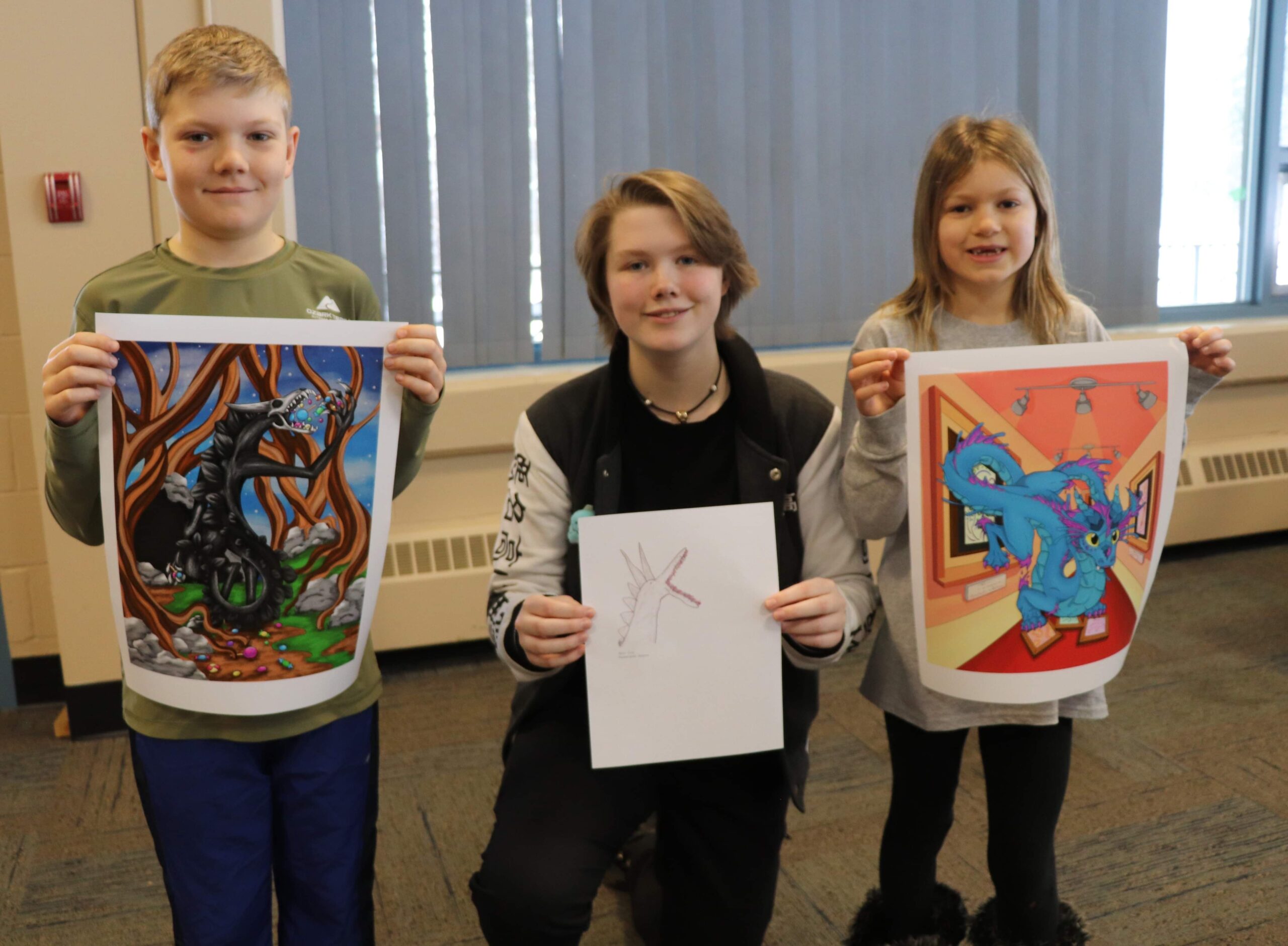
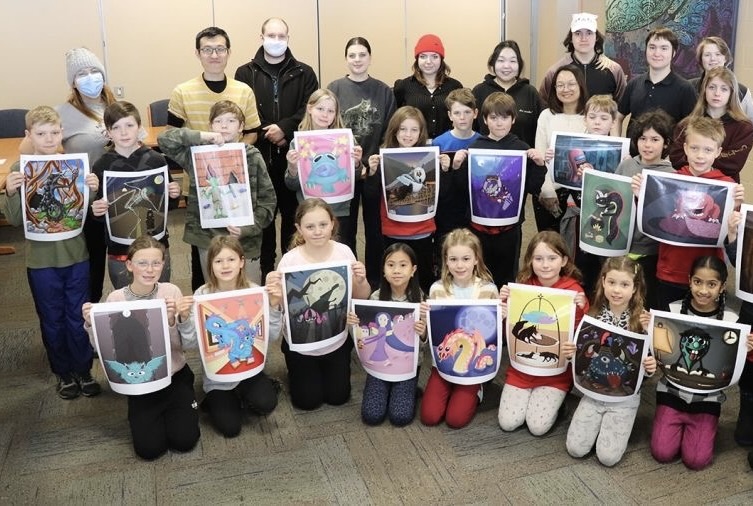
This project is one of my favourite experiences I’ve had as a designer, and was a collaboration between my class at Selkirk College and the kindergarten students at Hume Elementary school. The project itself is already a very sweet concept, but it holds special meaning for me personally. The kindergarten teacher who coordinated the event was none other than the same teacher who had taught me over 14 years prior. I was part of the very first class of kindergarteners she ever taught, and now I had the opportunity to work with her newest group of students to bring their ideas to life.
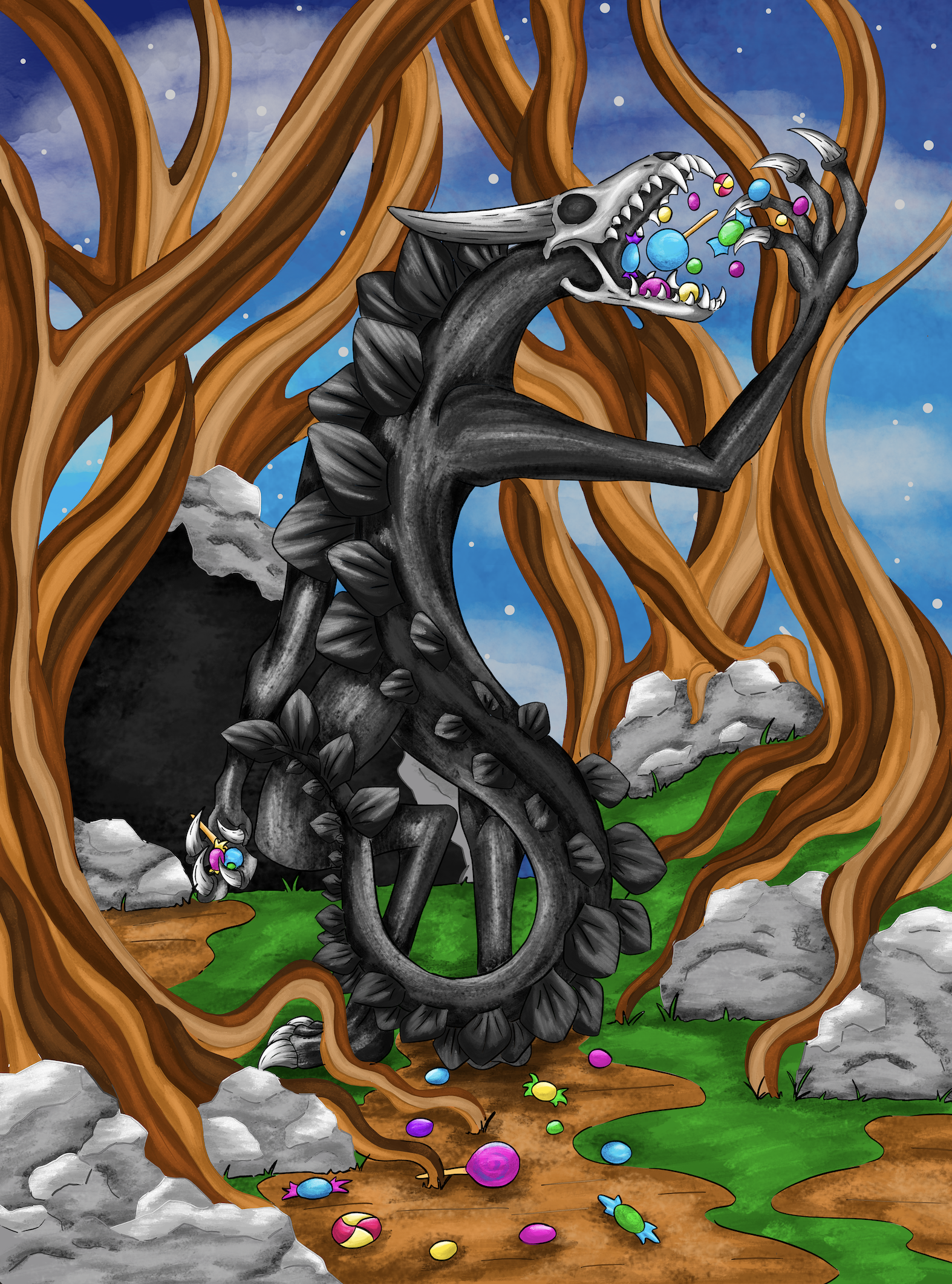
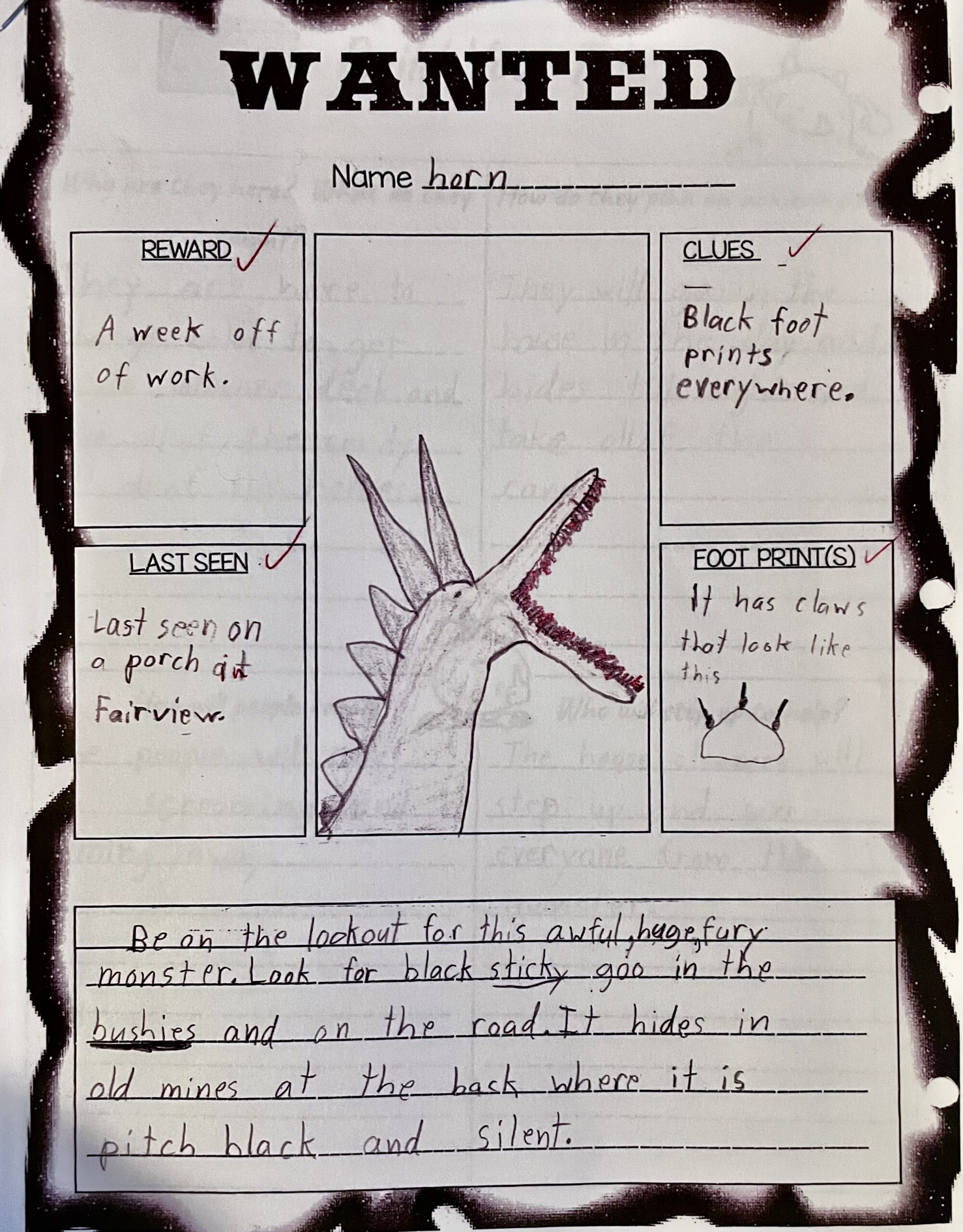
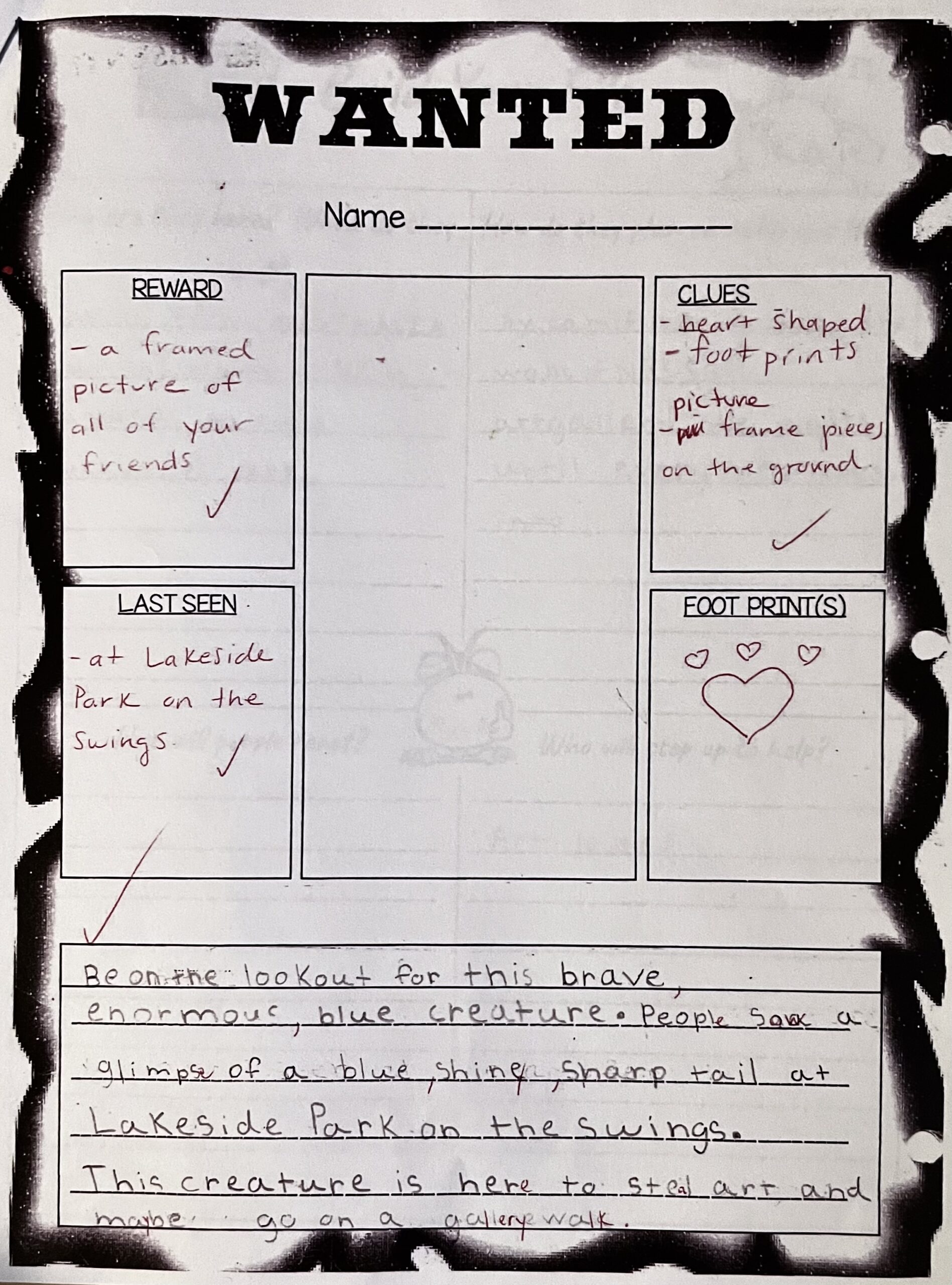
The kindergarteners were tasked with creating wanted posters for their own monsters, and my graphic design class was then given those descriptions to illustrate the final creatures. The goal was to practice taking direction from clients, regardless of their skill level or experience, and to create designs that felt true to each child’s imagination while still being visually thoughtful and refined.
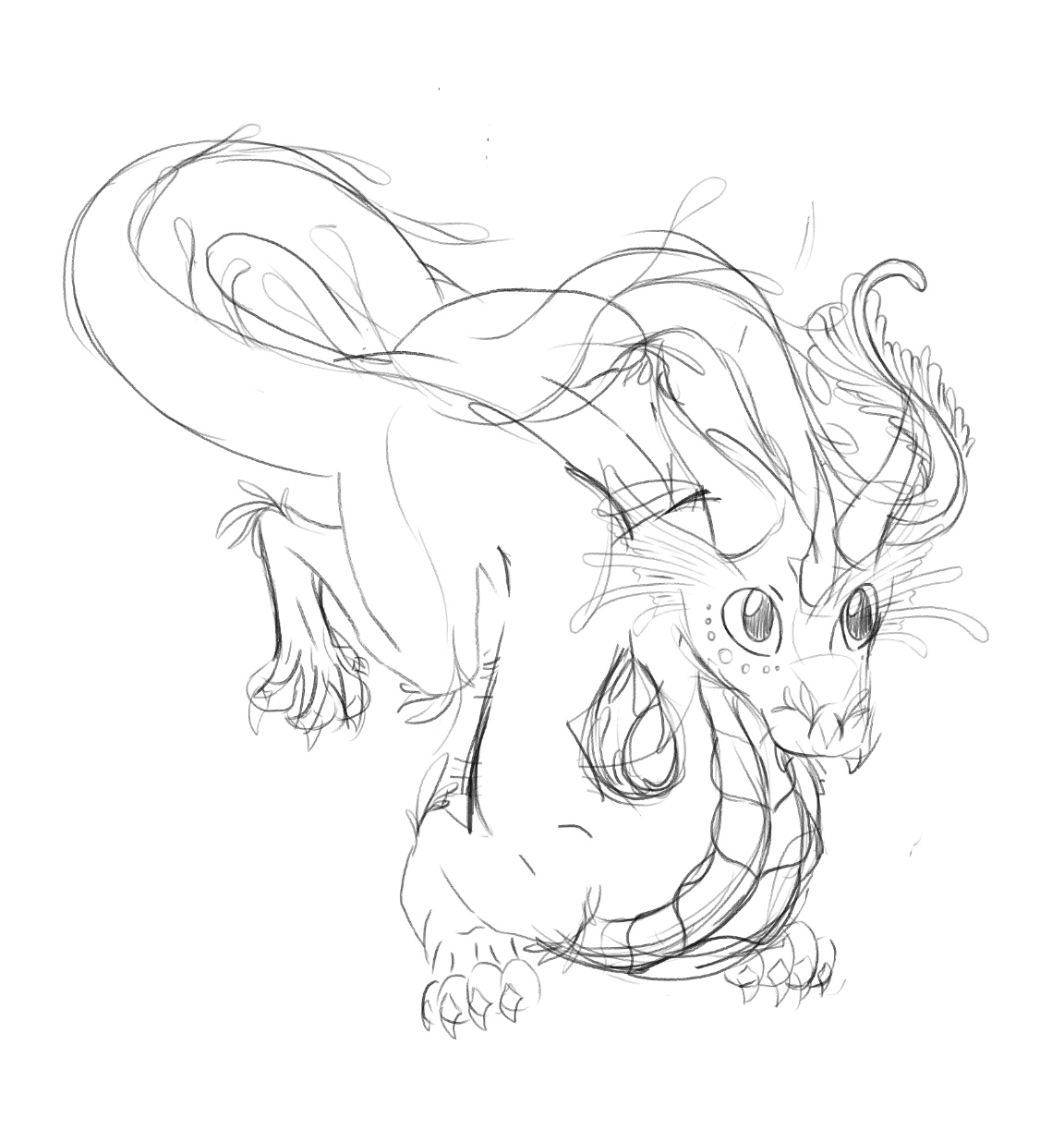
Step 1:
Sketch
Sketching is the first and most important step to illustration, as it sets the stage for the composition of the entire piece.
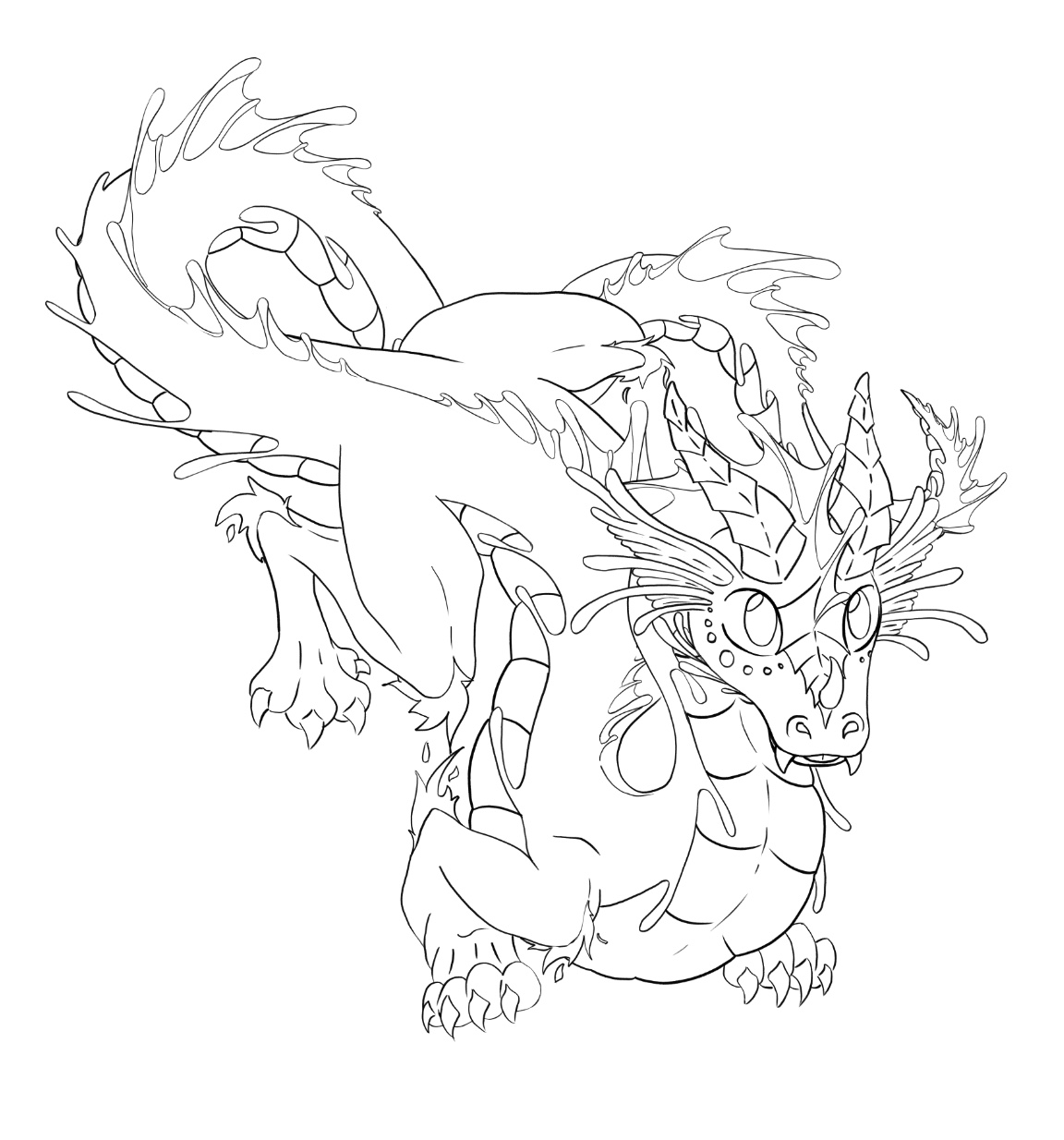
Step 2:
Line Art
After the sketch comes the refinement process, where line art sets stage for the finalized layout of a piece.
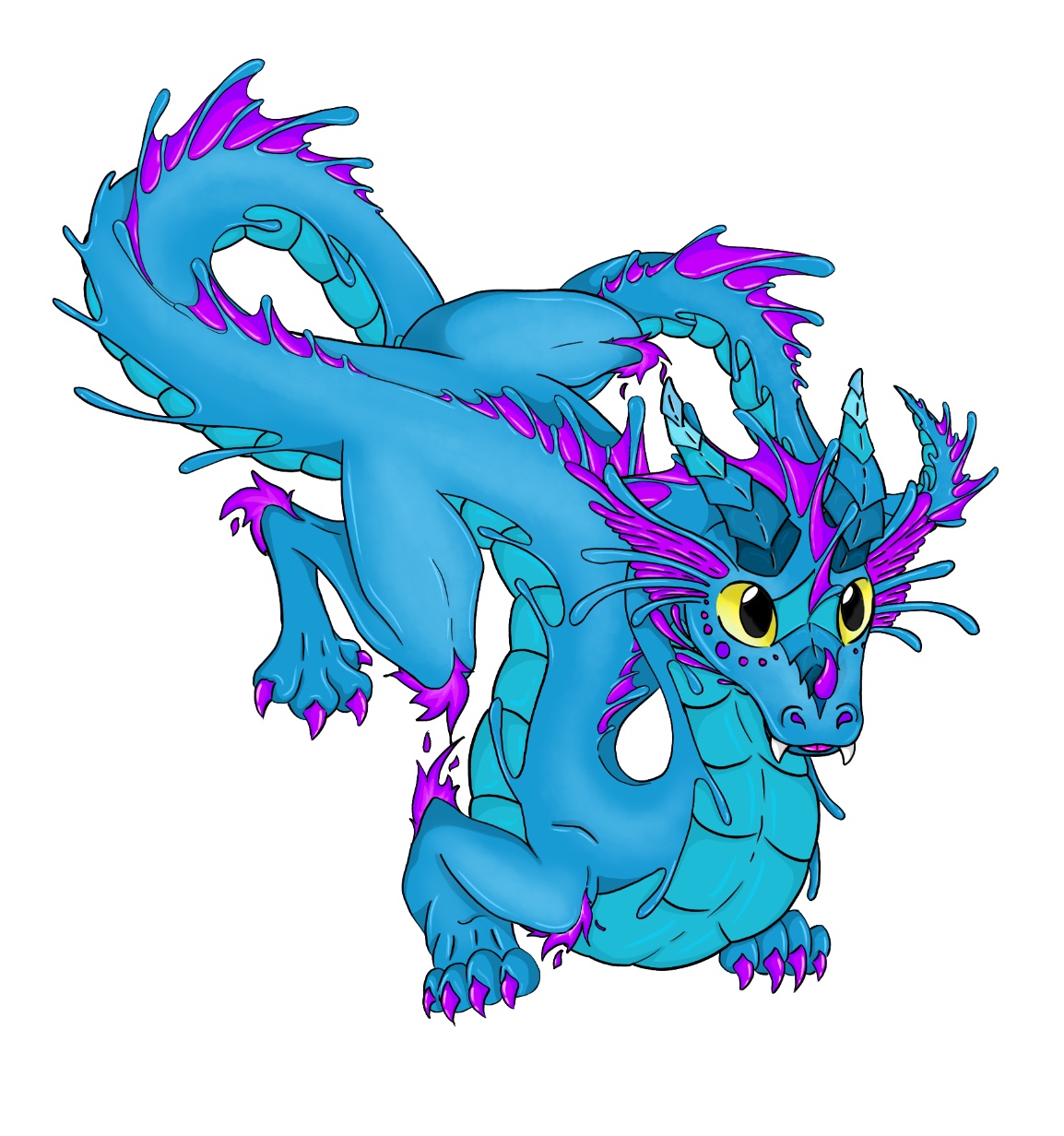
Step 3:
Colouring
Finally it’s time for colouring, the part that brings an illustration to life with highlights, shadows, and any additional textures.
The Inspiration
My approach centered on combining attentive listening with my interpretation as a designer. I treated the children’s input as both direct instruction and a starting point for deeper understanding, paying close attention not only to what they said, but also to what they implied. To support this, I looked at contemporary children’s media as a form of market research, identifying visual trends and themes that resonate with that age group. This helped guide stylistic decisions and ensured the designs felt familiar and appealing. I also recognized that, like many clients, children may not fully articulate what they envision, so part of my role was to bridge that gap.
The Approach
Throughout this project, I developed a series of illustrated monster designs based on individual client input, creating multiple sketches and iterations to refine each concept. The process emphasized communication above all else, as I worked to interpret and translate ideas from clients with little to no design vocabulary. This required simplifying complex design decisions into accessible terms and finding common ground to guide the creative process. My illustration skills were key in bringing these characters to life, but the most significant growth came from strengthening my ability to listen, adapt, and problem-solve in real time. This experience reinforced the importance of clarity, empathy, and flexibility, skills that are essential when working with any client, regardless of their level of experience.
Programs Used

Adobe Photoshop

Adobe Illustrator