
Want to skip to the good parts?
This case study is broken into three main sections. Select a section below to begin.
The Project
My Role
Designer, illustrator, communications lead
Client
Selkirk College
Date Completed
April 13th 2024
Overview
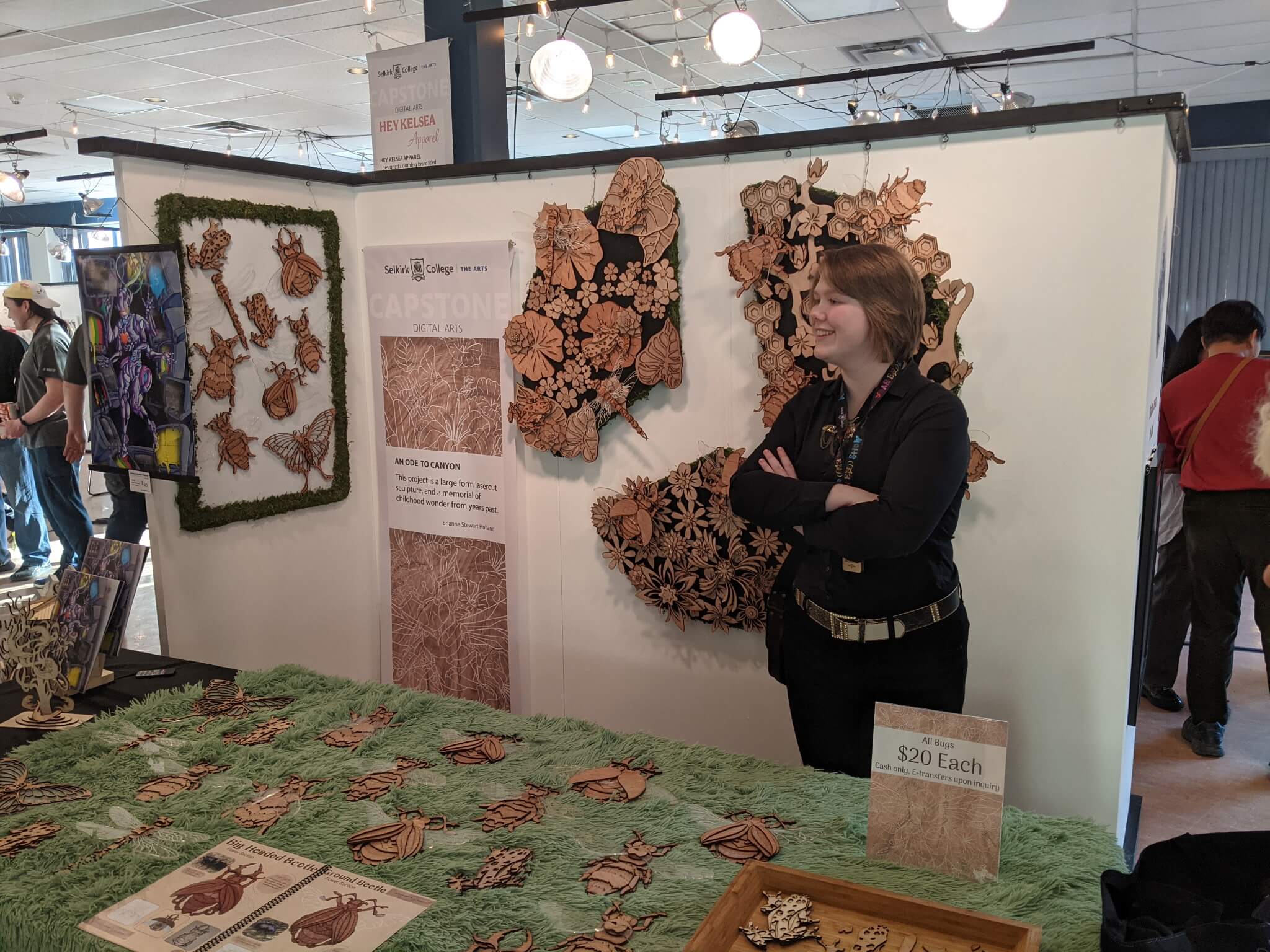
This project was my capstone for Selkirk College, where the goal was to create a project that reflects a skill that we have in combination with a skill we want to learn. The project was a balance of an ability that you would want to showcase as well as learning something new in an extensive project format.
My goals for this project was to showcase my illustration skills, in addition to my skills in graphic design specifically utilising adobe illustrator. I wanted a way to show my work in a way that hadn’t been done before, so I drew upon my personal passions within sculpture as a unique way to demonstrate my skills.
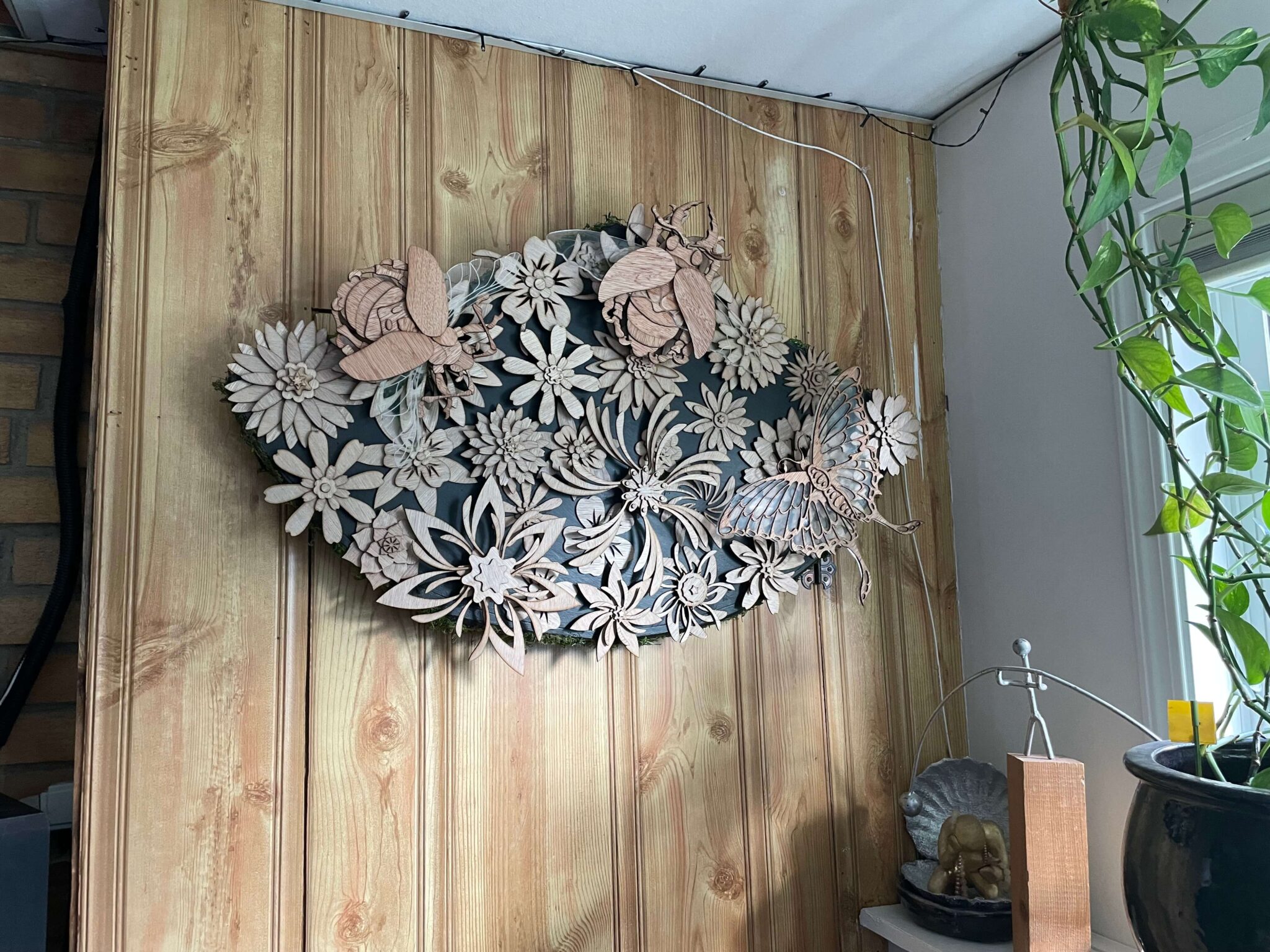
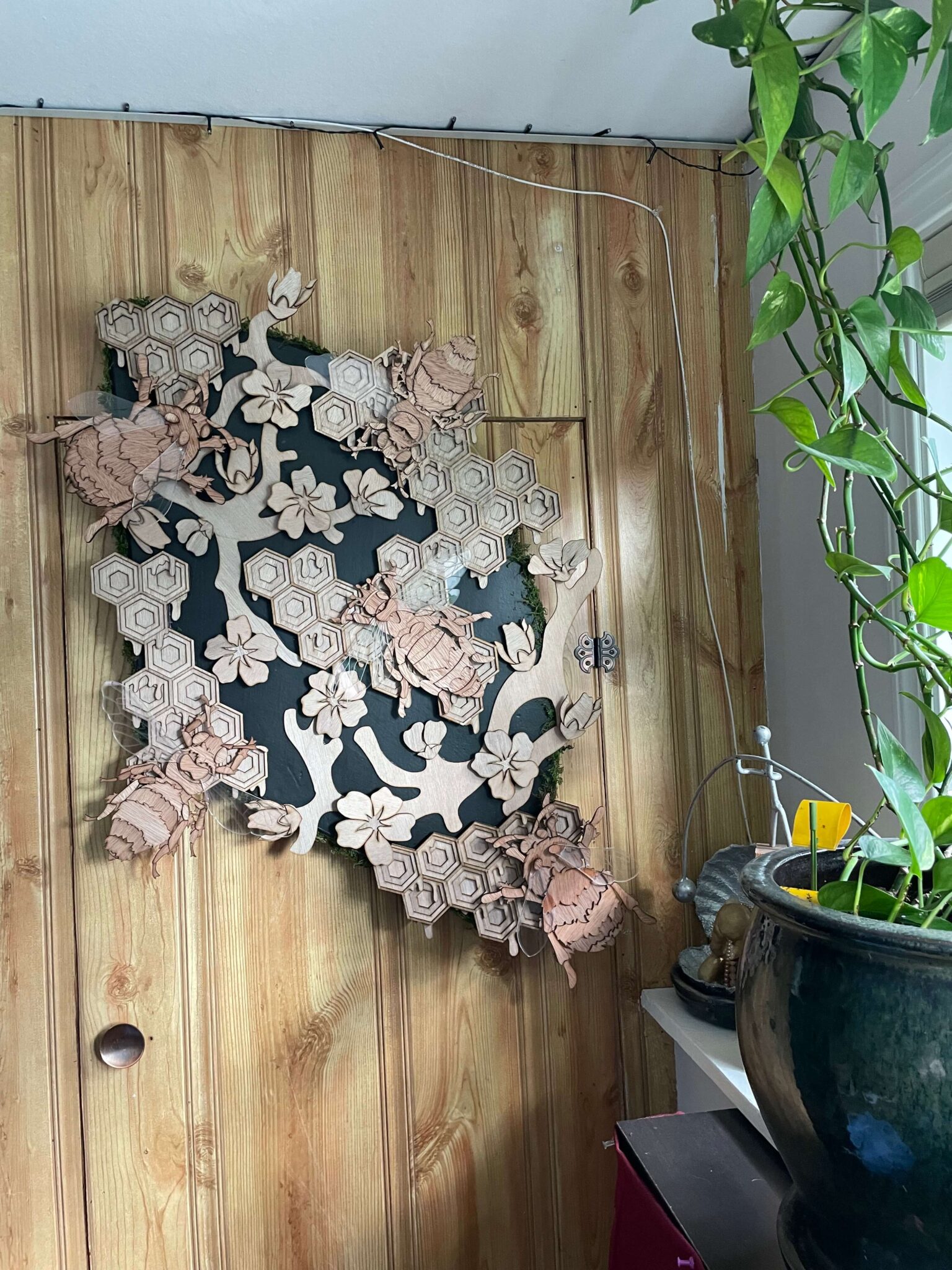
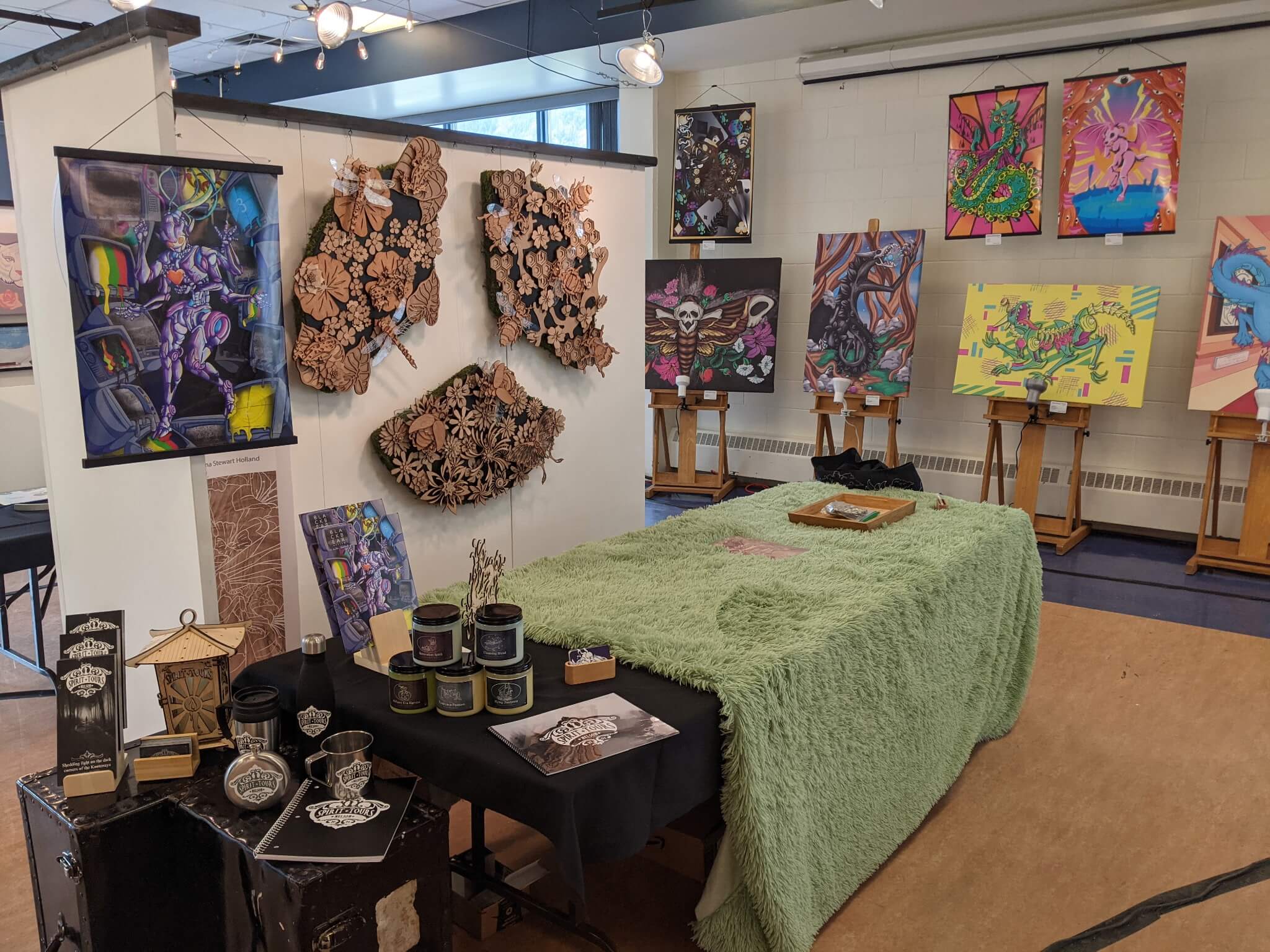
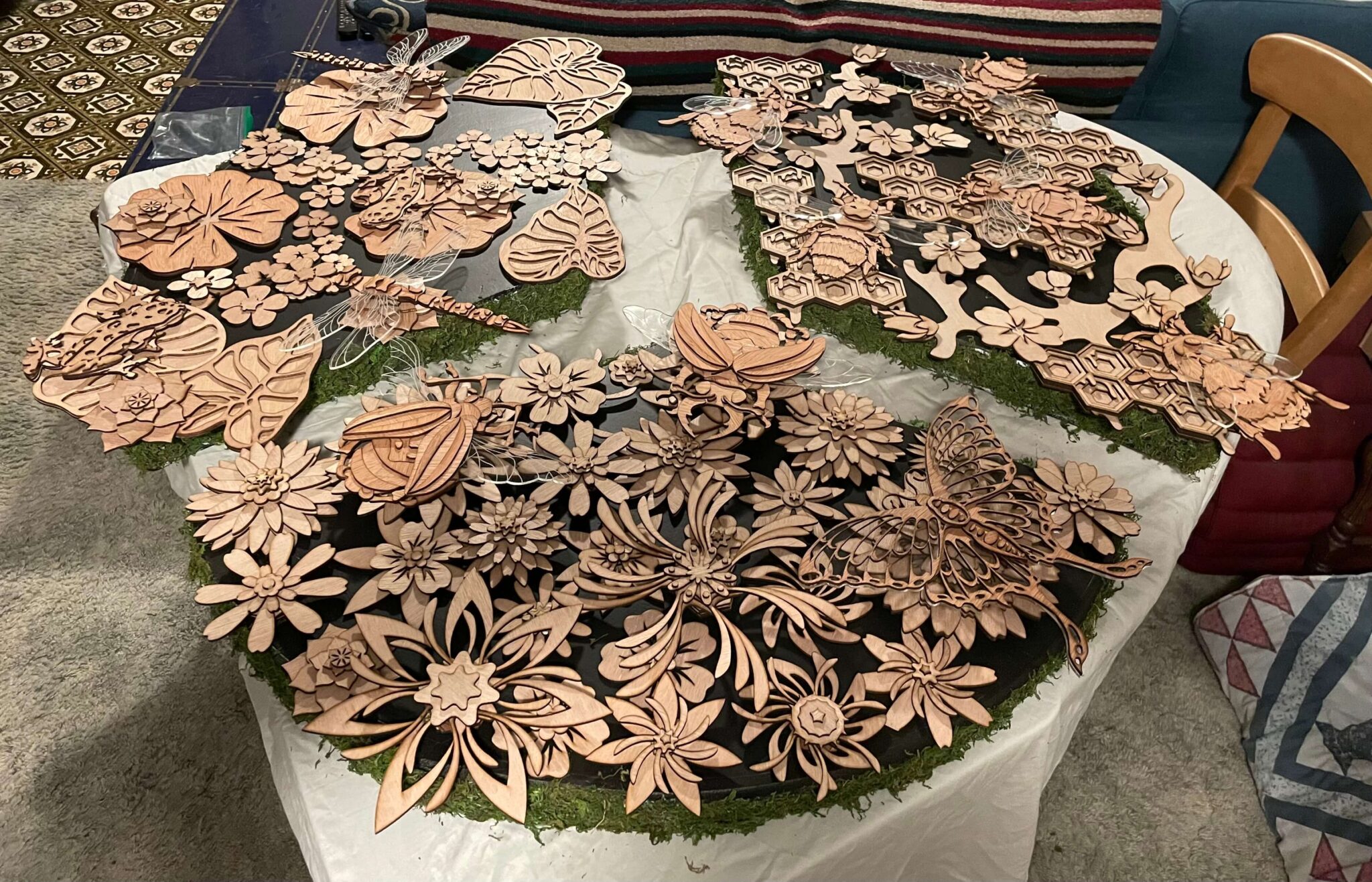
Success
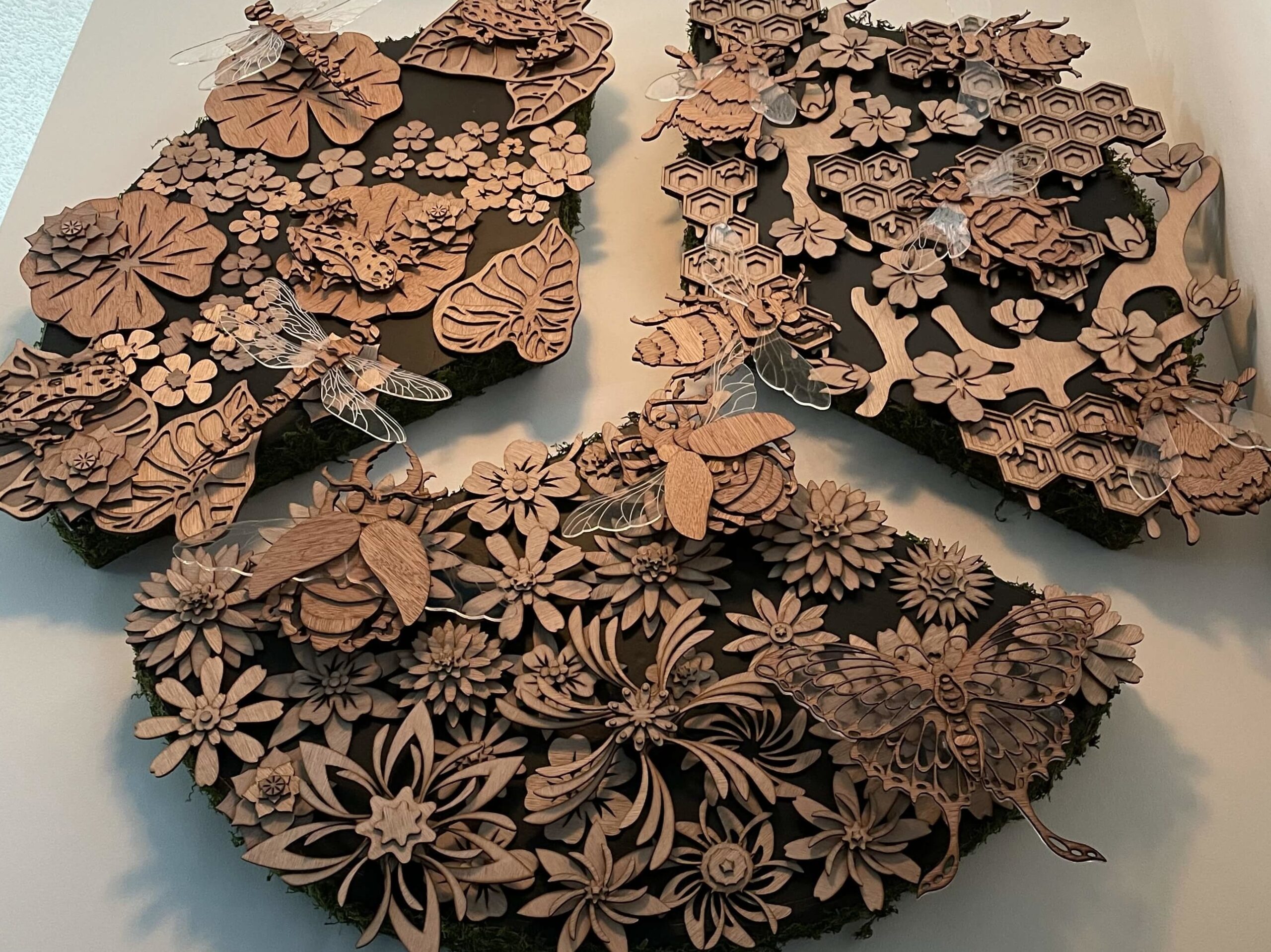
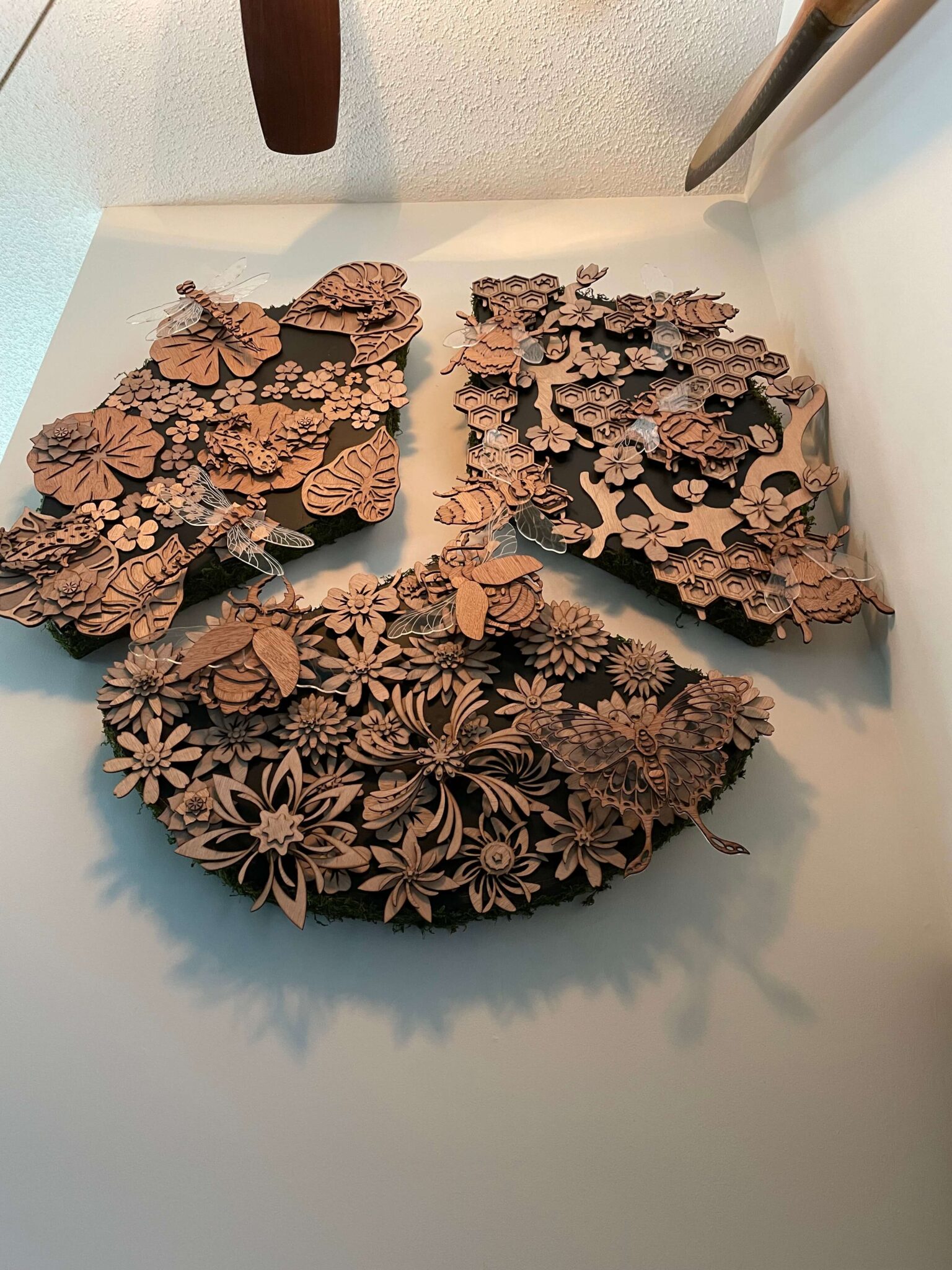
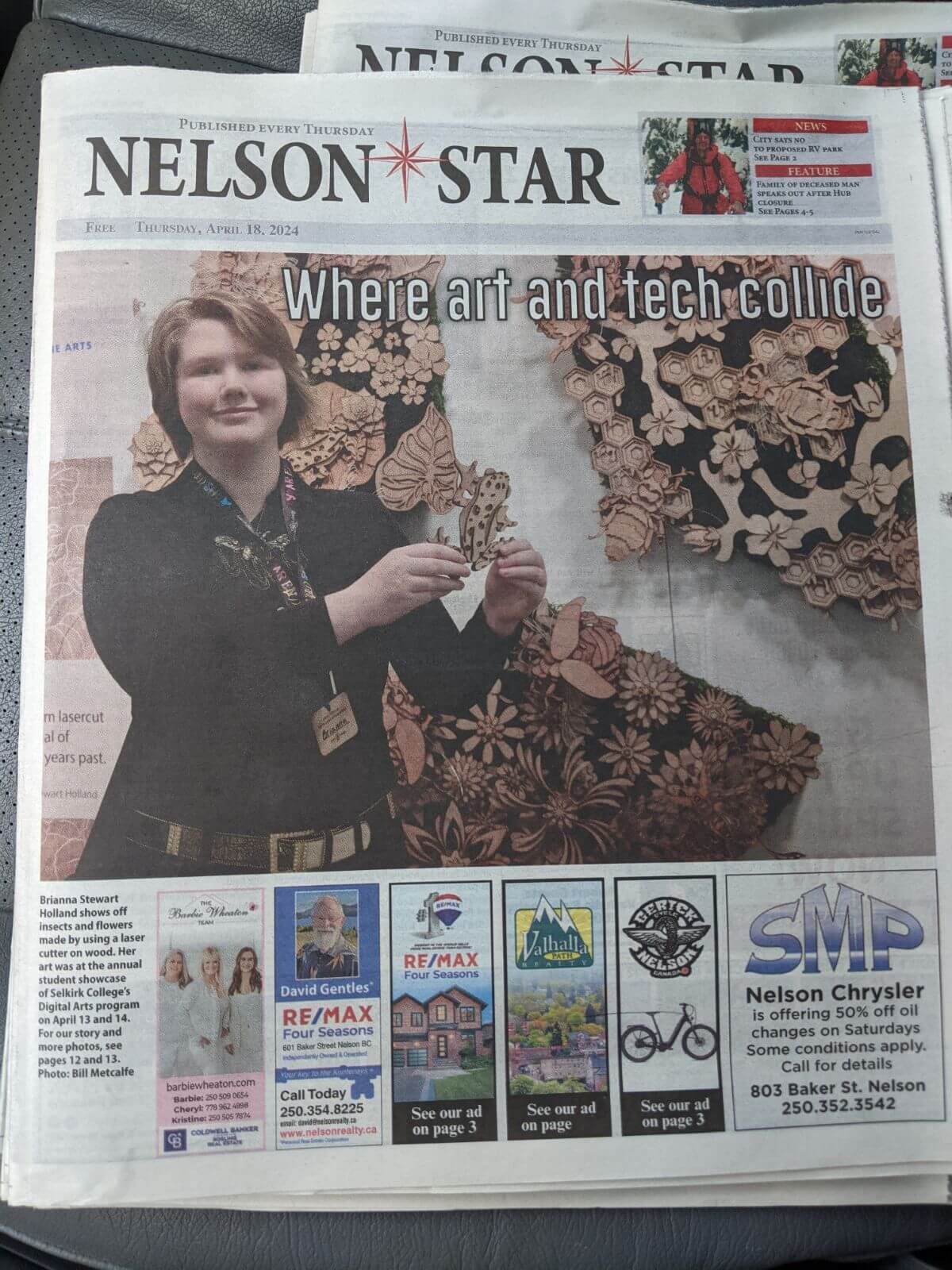
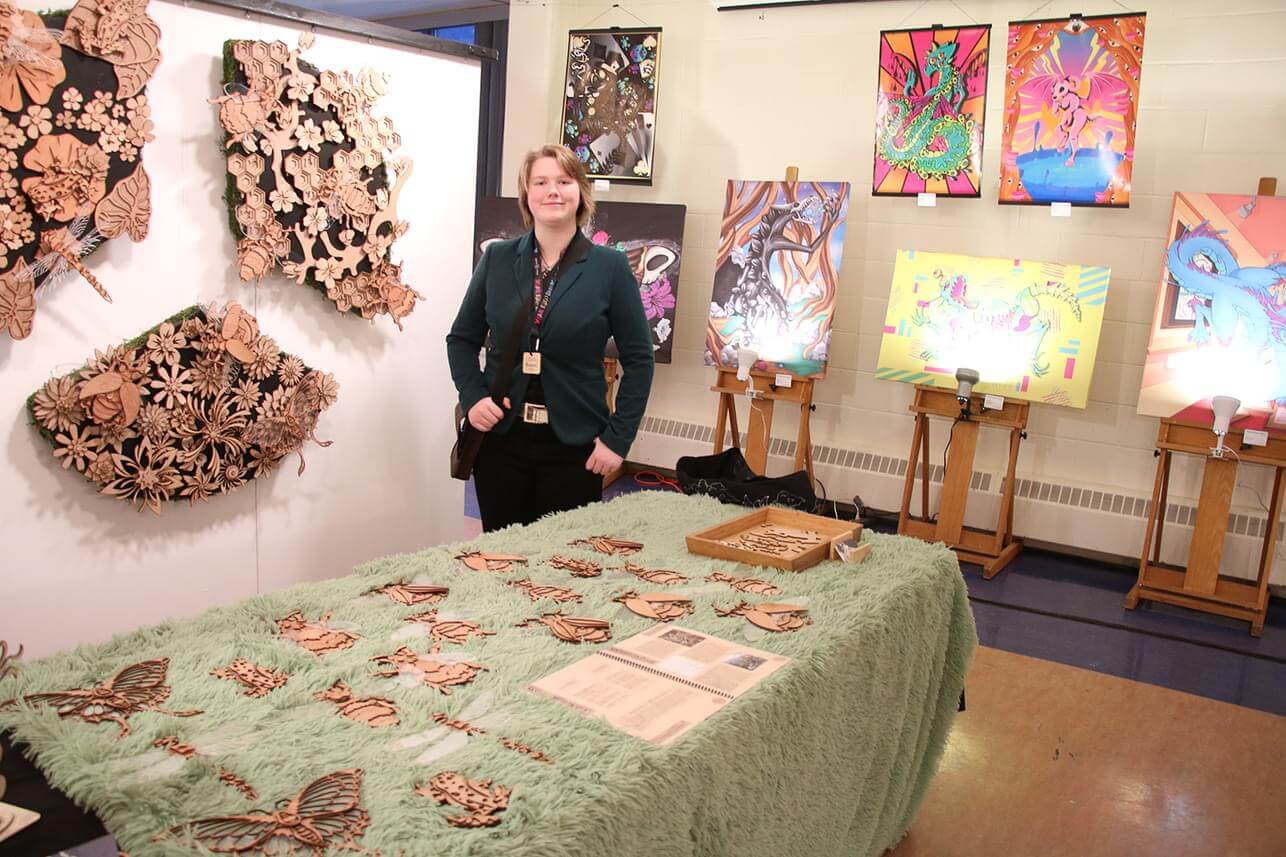
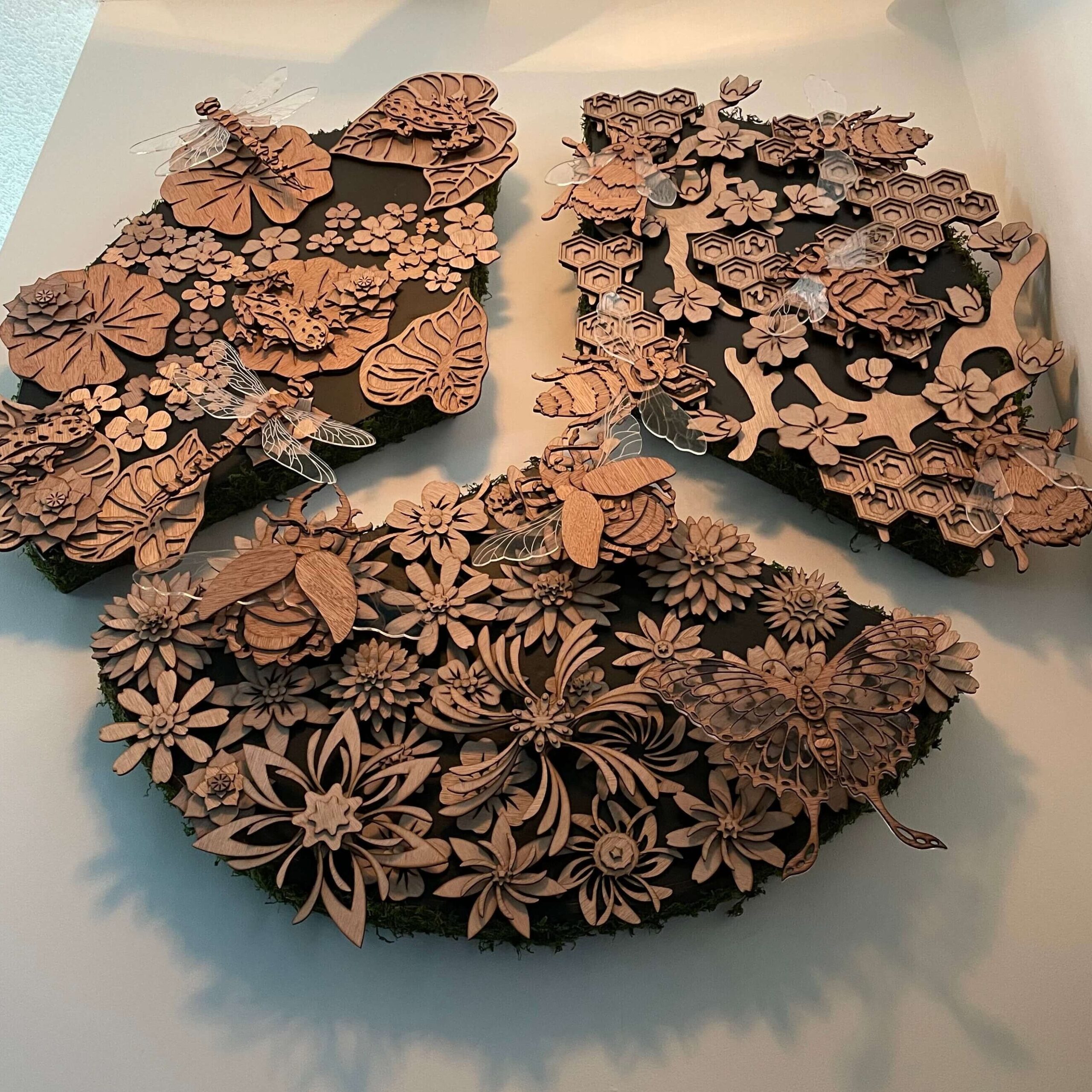
The final design solution successfully satisfied the project goals by combining illustration, graphic design, and sculpture into a single piece. By turning my illustrative designs into a layered wooden sculpture, the project presented my work in a unique and unconventional way that went beyond traditional digital or print design.
Gained
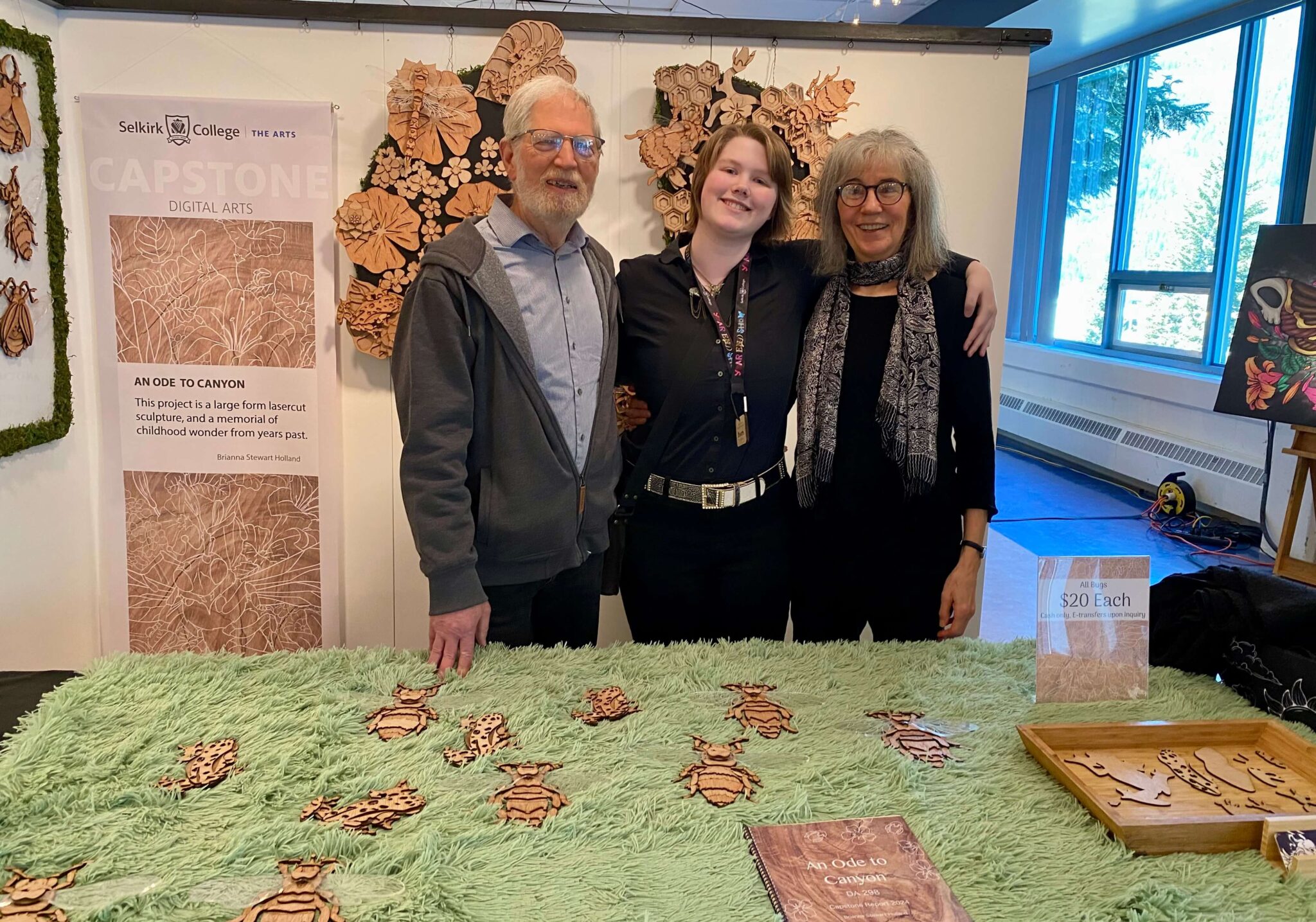
To achieve the final product, I had to reach out to the sister program to graphic design, digital fabrication, and request the usage of their machine. What started as a self-serving request soon evolved into an opportunity to collaborate between the two programs, which ended in both programs appearing at the year end show together to showcase their work.
The Process
Step 1
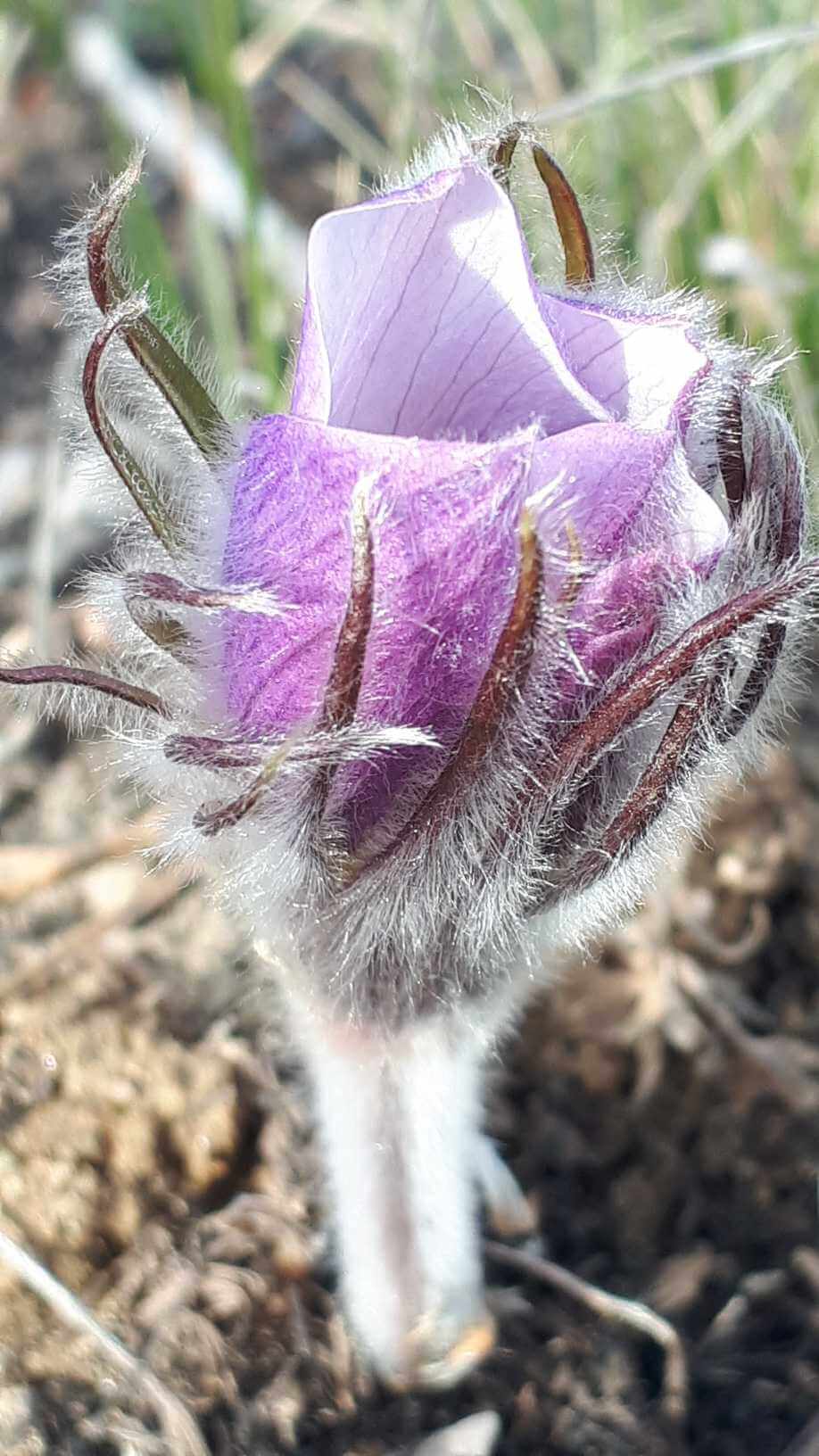
The first step in a successful design is research. This involves studying the anatomy of each species and identifying key features such as colours, textures, and patterns. Focusing on these recognizable visual details ensures that the final design remains accurate and easily identifiable.
Step 2
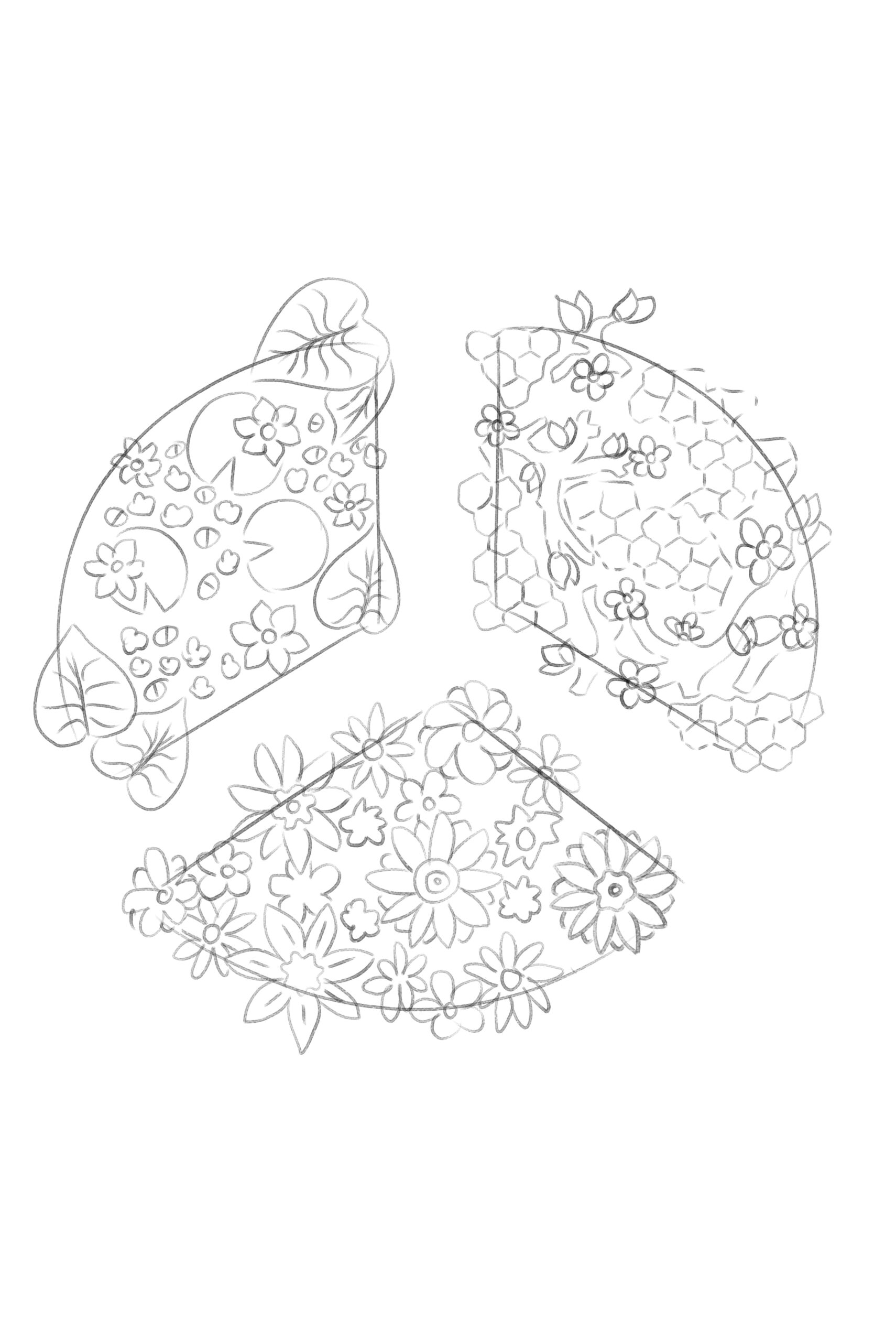
While sketching is often a straightforward step, it becomes the most time consuming stage in this process. The sketch not only establishes the overall composition, but also serves as the foundation for planning how each layer will interact and function within the final piece.
Step 3
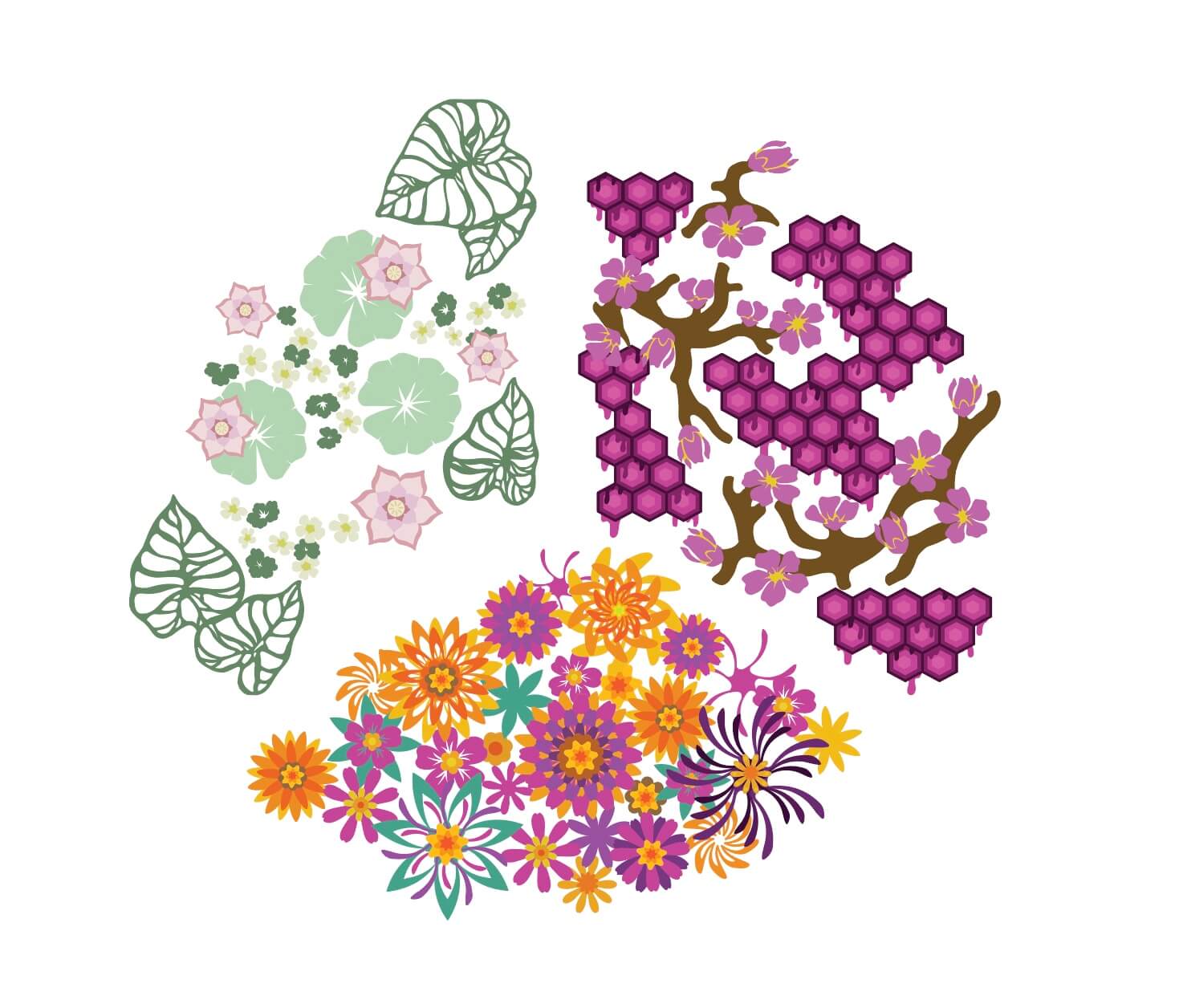
Once the sketch is complete, the design is brought into Adobe Illustrator and outlined with vector lines. During this stage, each component is separated into its own layer, corresponding to the individual wood pieces. This organization is essential for both the cutting process and final assembly.
Step 4
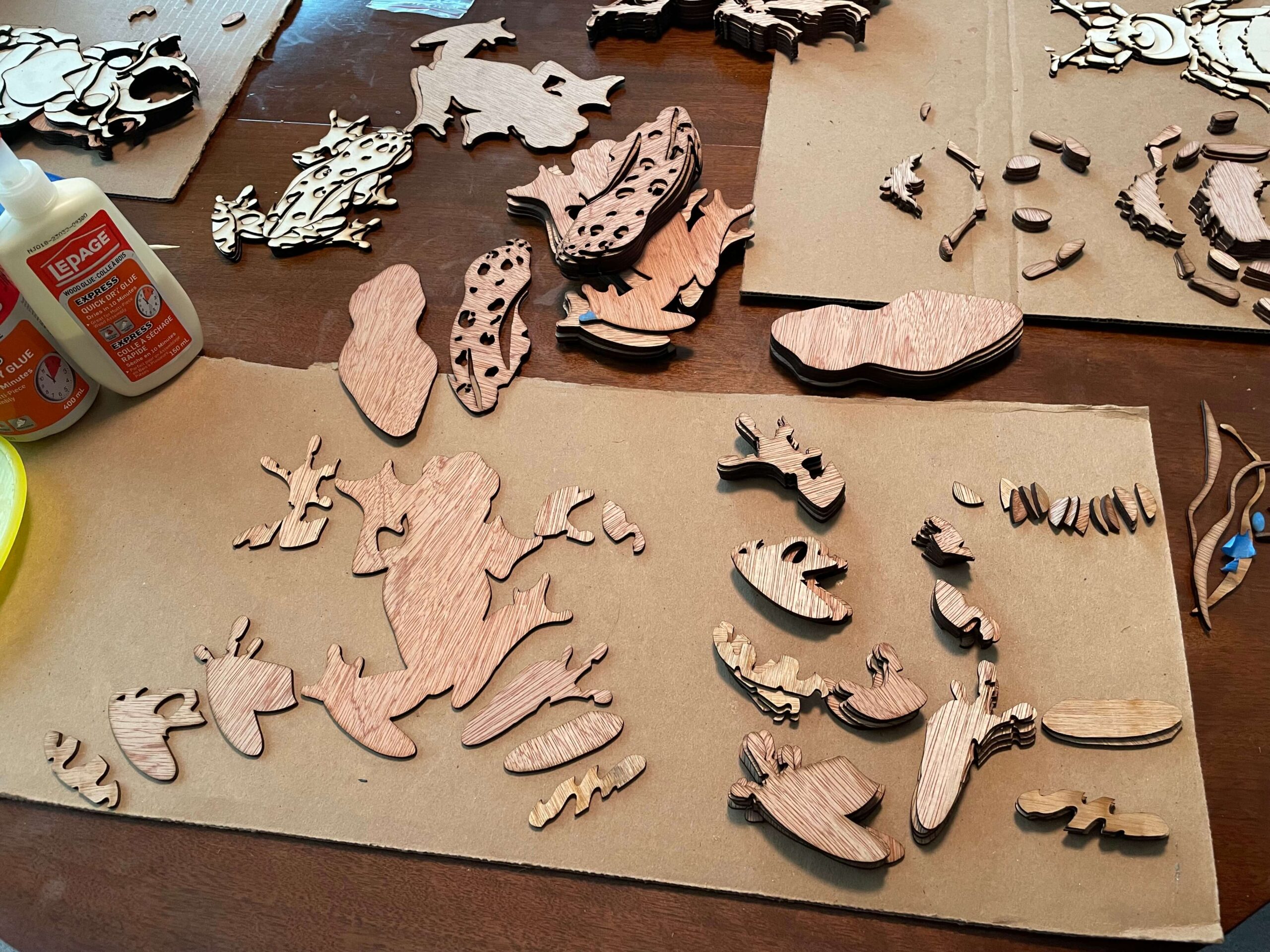
With the vector files complete, the next step is to produce a prototype. Since much of the earlier work relies on planning within a 2D environment, prototyping is essential for testing how the design translates into physical form. This stage often reveals issues that are not visible on screen, allowing for adjustments before committing to the final material.
Step 5
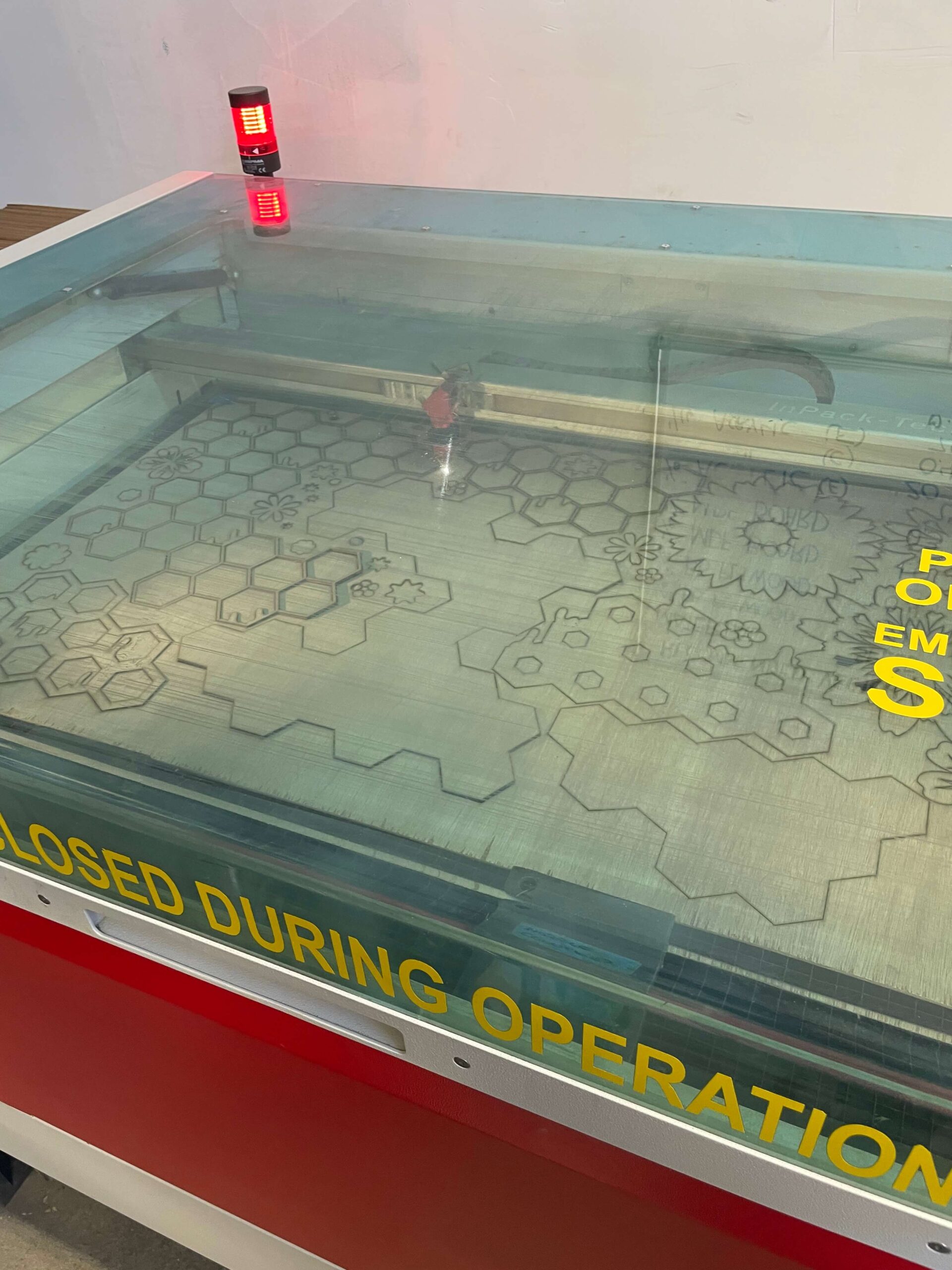
Once the design has been tested and refined, it is ready to be printed on the final material. At this stage, efficiency becomes important, as higher-quality wood is typically more limited and expensive than prototype materials. Careful layout and planning help minimize waste while maintaining the integrity of the design.
Step 6
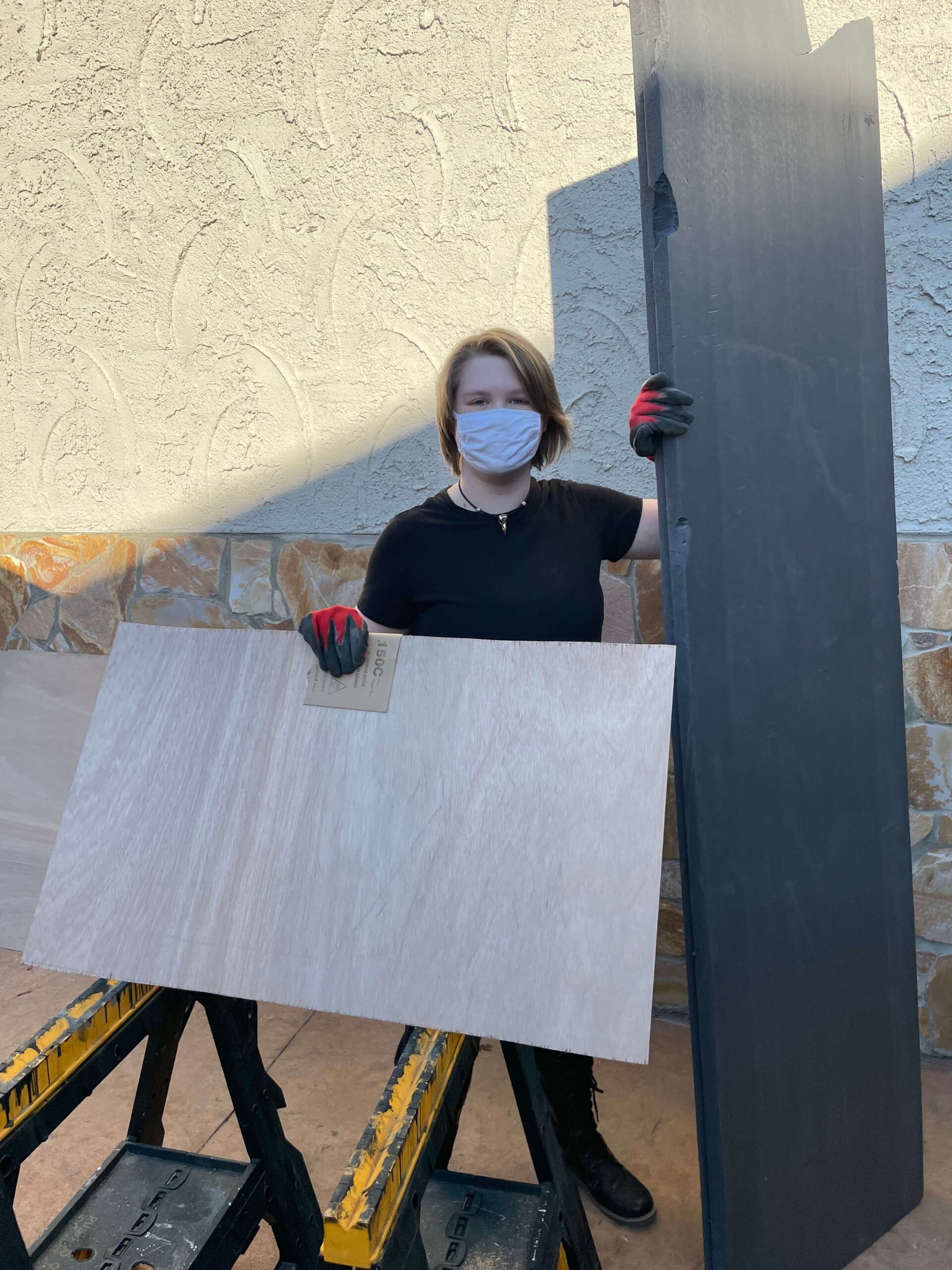
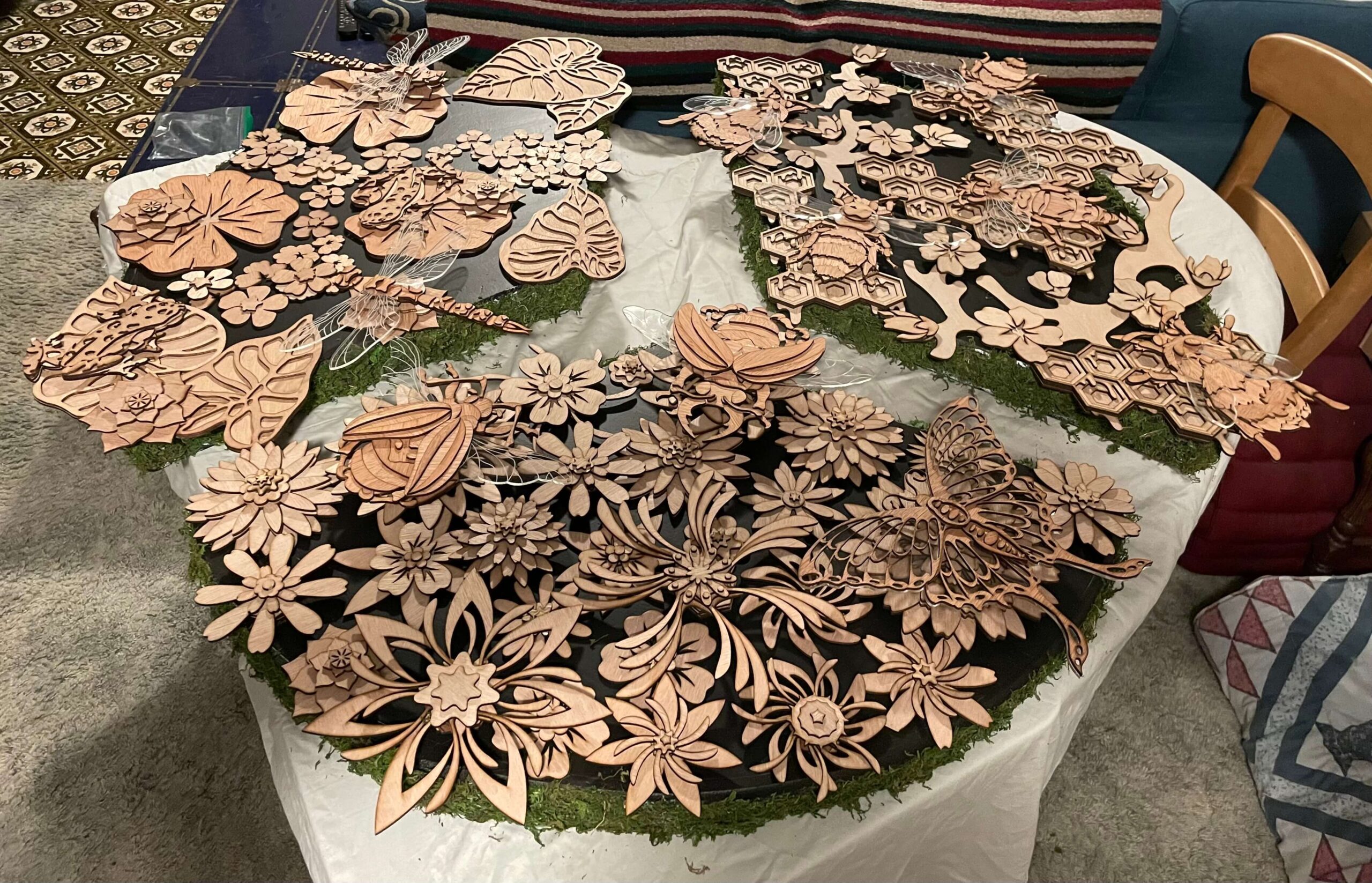
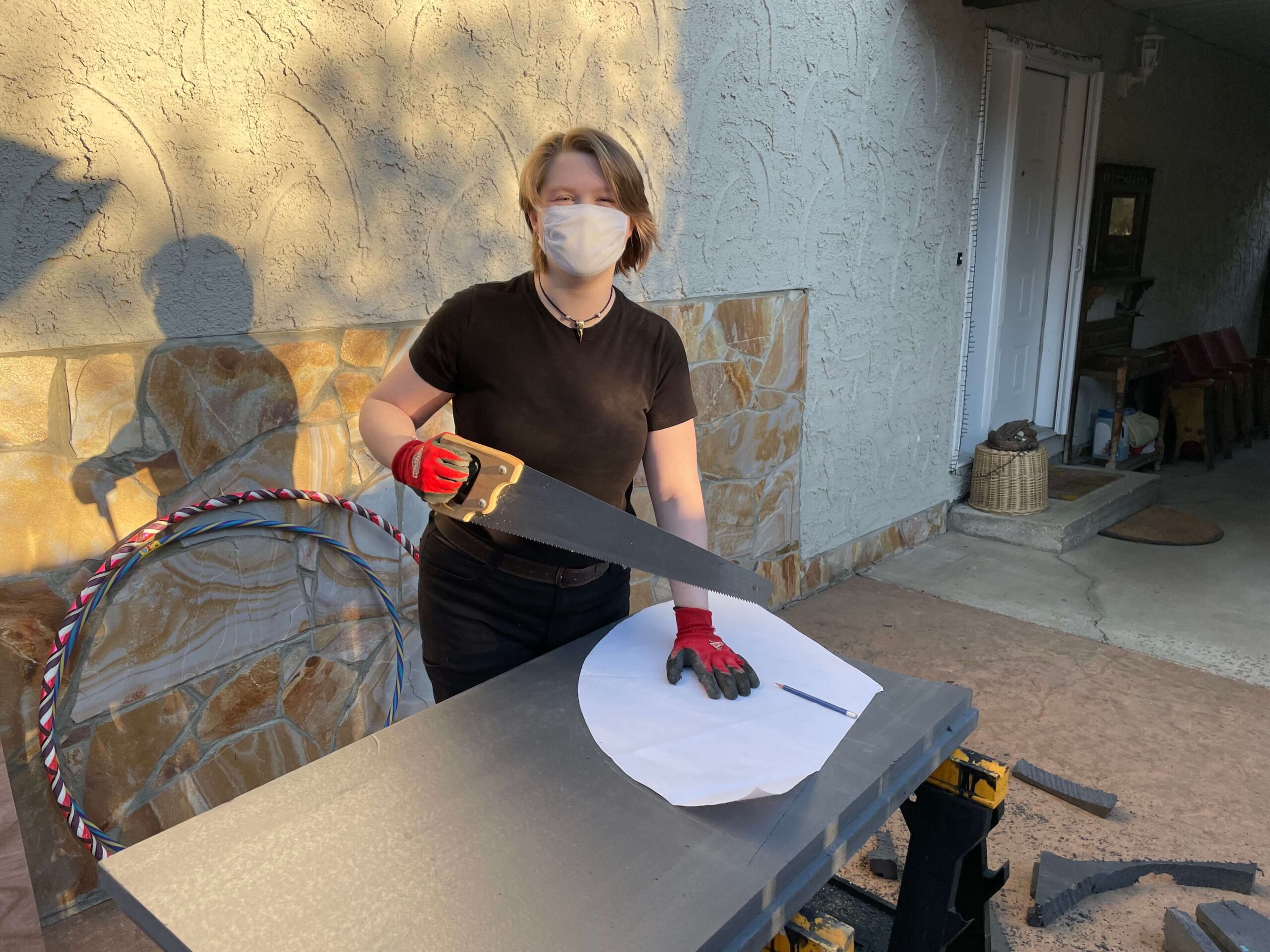
The construction stage focuses on selecting materials that balance strength with practicality. Because the piece is large and intended to be carried and hung, it needs to remain lightweight without sacrificing structural support. In this case, foam board and plywood sheets from the hardware store were chosen for their combination of durability and ease of handling. This stage is about finding that balance, ensuring the final piece is stable, functional, and manageable to install and transport.
Step 7
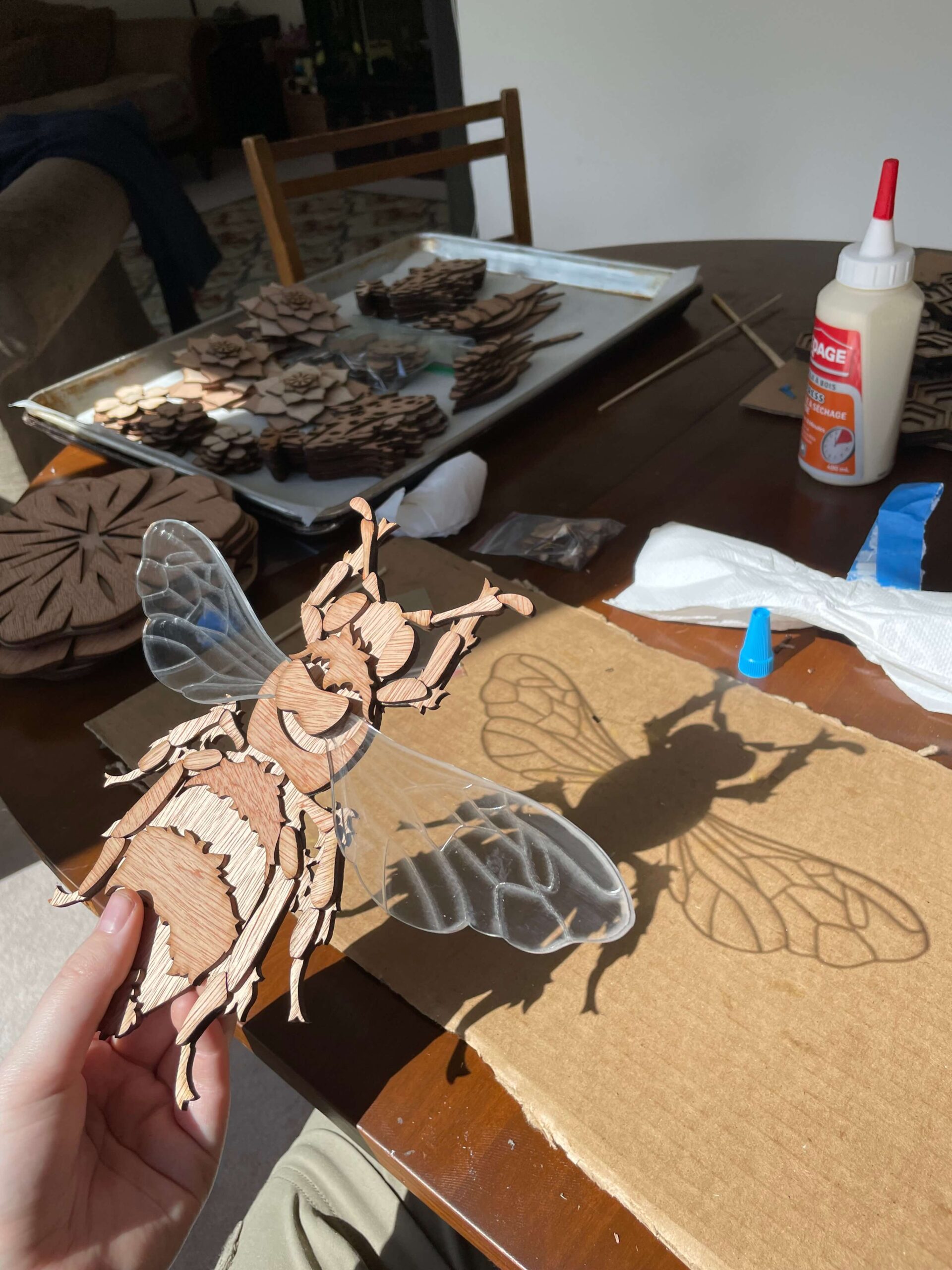
The final stage is assembly, where all components are brought together into the completed piece. This process typically involves wood glue, clamps, and careful alignment to ensure structural stability. Assembly is where the project fully comes to life, transforming individual parts into the finished whole. It is both a precise and rewarding stage, marking the culmination of the entire design and fabrication process.
The Purpose
Why make this?
The purpose of this piece is to highlight the native creatures that shaped my childhood in Canyon, using art to reflect the emotional connection I have to them. Through this work, I wanted to show how these animals are not only personally meaningful, but also vital to the health of their ecosystems. At the same time, this project was an opportunity to showcase my design abilities across both digital and sculptural practices, combining illustration, material exploration, and form into a single cohesive outcome.
Personal Goals
This piece gave me a way to express the personal connection I have to these animals and reflect on how they shaped my experience growing up, translating those memories into something visual and meaningful.
Professional Goals
It also allowed me to demonstrate my ability to carry a concept across both digital and sculptural formats, showing range in my design process while bringing together illustration, material choices, and construction into a cohesive final piece.
Challenges
One of the biggest challenges in this project was determining how to construct the sculpture itself. Because the project was a completely original concept, there was very little existing information about how to build something with the same layered design approach. This meant that a large portion of the process involved experimentation with materials and structural solutions.
Analysis
This project brought together personal meaning, environmental awareness, and design exploration into a single piece. By focusing on creatures that were important to my childhood, I was able to create work that felt genuine while also communicating a broader message about their ecological importance.
The process challenged me to think carefully about how ideas translate across different mediums, from digital design to physical construction, and how material choices impact the final outcome. Overall, the project strengthened my ability to connect concept, form, and function, resulting in a piece that is both personally significant and reflective of my growth as a designer.
Looking for more?
Have a question or need help bringing a dream to life? Feel free to reach out and connect to learn more about my graphic design, illustration, and other creative services.